
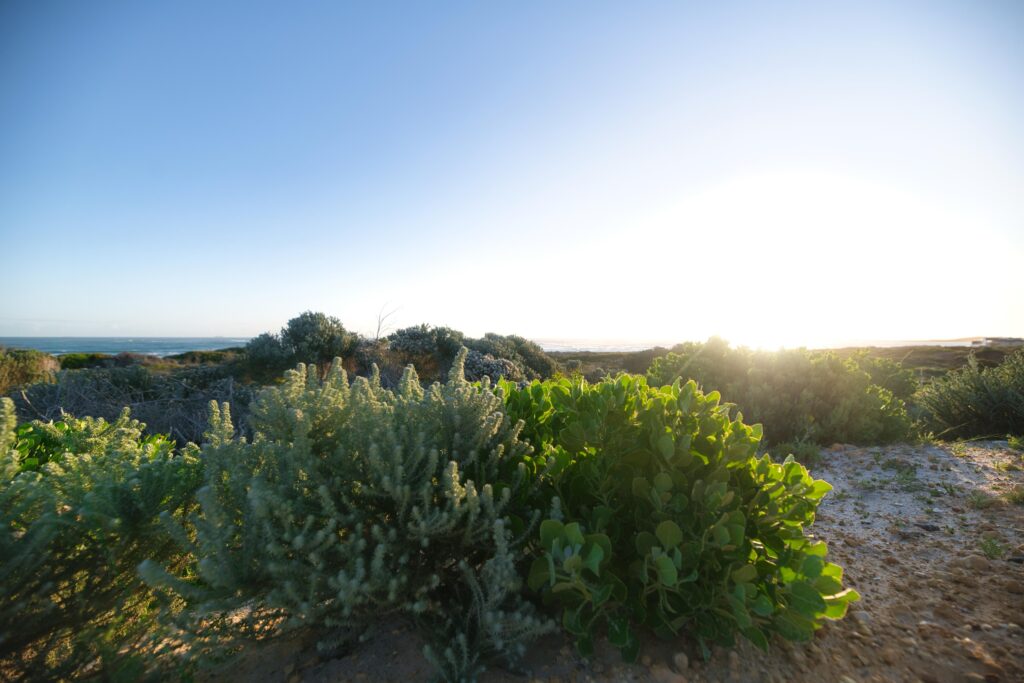
Green living in Cape Agulhas: how Fynbos shapes smarter property investment
In the far southern tip of Africa, where the Atlantic and Indian Oceans meet at Cape Agulhas, property development follows a very different logic compared to urban or suburban markets.
Here, land is not treated as something to be fully transformed. It is treated as something to be understood.
At the centre of that approach is one of the most distinctive and sensitive ecosystems in the world: Fynbos.
For investors and homeowners, especially those interested in green living and long-term value, understanding Fynbos is not optional—it is fundamental to how property works in this environment.
Fynbos is not landscaping—it is the baseline condition of the land
Unlike conventional residential developments where vegetation is introduced after construction, Fynbos already defines the landscape before any planning begins.
This vegetation is part of the Cape Floristic Region, one of the most biodiverse floral kingdoms globally. It includes species such as proteas, ericas, and restios, many of which are endemic and protected.
For property investors, this creates a different mindset: development must adapt to the land, not replace it.
This is especially relevant in coastal and conservation-sensitive areas around Agulhas, Suiderstrand, and nearby rural estates.
How Fynbos influences property development rights
One of the most common investor concerns is how much of the natural vegetation can be cleared for building.
In most regulated developments in this region, clearance is controlled through environmental frameworks such as the National Environmental Management Act (NEMA) and, where required, Environmental Impact Assessments (EIAs).
Instead of open-ended clearing, properties are typically defined by:
-
Fixed building envelopes
-
Controlled access paths
-
Protected ecological zones
-
Limits on surface disturbance
This ensures that Fynbos remains the dominant feature of the landscape, even after development.
For buyers, this is not just a compliance issue—it directly influences layout, privacy, and long-term estate character.
Green living through indigenous integration
A major shift in coastal and rural property development is the move toward indigenous landscaping.
In practical terms, this means:
-
Minimal water-intensive gardens
-
Reduced reliance on imported plant species
-
Retention of natural vegetation corridors
-
Low-maintenance outdoor environments
Fynbos is naturally adapted to the local climate, which makes it highly aligned with sustainable living principles.
For homeowners, this translates into lower water consumption, reduced maintenance costs, and a more authentic connection to place.
Instead of forcing the land into a manicured ideal, green living here means working with existing ecological systems.
Fire risk is part of the ecosystem—not an exception to it
Another important consideration for investors is fire management.
Fynbos is a fire-adapted biome, meaning periodic burning is part of its natural regeneration cycle. However, in residential and mixed-use developments, this ecological reality must be carefully managed.
Typical requirements include:
-
Firebreak maintenance
-
Controlled vegetation management near structures
-
Compliance with local fire safety regulations
-
Insurance alignment with environmental risk profiles
This does not make development unsafe—it makes it structured.
In well-managed estates, fire awareness is built into design, infrastructure, and ongoing land stewardship.
Why Fynbos protection supports long-term property value
A common question from investors is whether environmental restrictions reduce usable land and therefore limit return on investment.
In practice, the opposite trend is increasingly visible.
Properties that retain natural Fynbos environments often benefit from:
-
Stronger aesthetic appeal
-
Greater privacy between erven
-
Enhanced biodiversity value
-
Long-term scarcity advantage
-
Strong alignment with eco-conscious buyers
As global property trends shift toward sustainability, developments that preserve natural systems are gaining market strength.
In regions like Cape Agulhas, ecological protection is not a constraint on value—it is part of what defines it.
Living within a defined ecological framework
Modern developments in this region are not unregulated sprawl. They are structured environments where nature and built form coexist under clear guidelines.
This includes:
-
Environmental zoning and conservation overlays
-
Defined building footprints
-
Infrastructure designed around natural terrain
-
Long-term ecological stewardship obligations
For investors, this creates predictability. The surrounding environment is protected from overdevelopment, which helps preserve the character of the area over time.
The investment mindset shift: from land use to land relationship
Traditional property thinking focuses on maximising usable square metres.
In Fynbos-rich environments, especially in and around Cape Agulhas, the focus shifts toward relationship with land:
-
What must remain untouched?
-
How does the building sit within the landscape?
-
How does the site behave over decades, not just at completion?
-
What ecological systems are being preserved or restored?
This shift is particularly important for buyers seeking green living outcomes rather than purely financial or structural optimisation.
Why this matters for future-focused investors
Across global markets, environmental integration is becoming a defining factor in property desirability. Coastal and rural regions that preserve indigenous ecosystems are increasingly viewed as resilient, scarce, and highly desirable.
In the Agulhas region, Fynbos is not a marketing layer added after development. It is the starting point of every planning decision.
For investors, this creates a different type of asset:
-
Less about maximum development density
-
More about controlled, long-term environmental value
-
More aligned with lifestyle and ecological stability
-
Stronger positioning in a sustainability-driven market
Final perspective
Green living in Cape Agulhas is not a design theme—it is a structural reality shaped by one of the world’s most unique ecosystems.
Fynbos defines how land is used, how homes are built, and how value is preserved over time.
For investors willing to engage with that reality, the outcome is a different kind of property experience—one where nature is not a feature to be added, but a foundation to be respected.
Occupancy certificates: answers to the questions property owners are asking
The recent notice from the Cape Agulhas Municipality regarding Occupancy Certificates has generated plenty of discussion among property owners, buyers, and sellers. While Occupancy Certificates are not new, the renewed focus on compliance means many people are asking what this means for their property and future plans.
Here are answers to some of the most common questions.
What is an Occupancy Certificate?
An Occupancy Certificate is issued by the municipality once a building has been completed according to approved building plans and complies with the relevant building regulations.
In simple terms, it confirms that the property is legally fit for occupation.
Why is the municipality placing more emphasis on Occupancy Certificates?
The purpose is to ensure that buildings meet safety standards and that any structures on a property have been constructed according to approved plans.
This promotes greater transparency and protects both property owners and buyers.
Does every property need an Occupancy Certificate?
Generally, yes. New buildings require an Occupancy Certificate before they may be legally occupied.
Older properties may already have certificates on record, while others may require investigation to confirm their compliance status.
Can I sell my property without an Occupancy Certificate?
Every property situation is unique, but missing documentation can create complications during the sales process.
Buyers, banks, attorneys, and municipalities are increasingly paying attention to compliance, which may lead to delays, additional inspections, or requests for corrective action before a transaction can proceed smoothly.
What if I have made alterations to my property?
Many homeowners have added features such as:
- Enclosed patios
- Additional rooms
- Carports
- Garage conversions
- Outbuildings
If these improvements were not approved and signed off by the municipality, they may need to be regularised before full compliance can be achieved.
How do I know whether my property is compliant?
The best starting point is to review your approved building plans and any occupancy-related documentation.
If you are unsure, the municipality's Building Control Department can assist in determining what records are available and whether any outstanding approvals are required.
Does compliance affect property value?
Increasingly, yes.
Properties with complete documentation and approved improvements often inspire greater buyer confidence and can experience fewer obstacles during the sales process.
Properties with compliance concerns may require additional work, which can influence buyer perceptions and negotiations.
Why should buyers care about Occupancy Certificates?
Occupancy Certificates help provide assurance that a property has been built according to approved plans and municipal requirements.
For buyers, this can reduce the risk of unexpected compliance issues arising after the purchase.
What is a Comparative Market Analysis (CMA)?
A Comparative Market Analysis compares your property to similar properties that have recently sold in the area.
It helps establish a realistic market value based on actual market activity rather than asking prices alone.
How can a CMA help in today's market?
As compliance becomes a more important factor in property transactions, a CMA can provide valuable insight.
For sellers:
- Understand current market value
- Identify realistic pricing expectations
- Gain insight into how compliance may influence buyer demand
- Make informed decisions before listing
For buyers:
- Understand fair market value
- Compare properties with greater confidence
- Make more informed purchasing decisions
- Better understand the local market
Free Comparative Market Analysis
Whether you're considering selling, buying, or simply want to understand your property's current position in the market, Chas Everitt Cape Agulhas offers a FREE Comparative Market Analysis.
Our local knowledge and access to recent market data can help you make informed property decisions in a market where compliance and transparency are becoming increasingly important.
Contact the Chas Everitt Cape Agulhas team to arrange your free CMA.